

High-performance coating and adhesive systems are the backbone of industries ranging from automotive and aerospace to construction and electronics. These systems demand exceptional durability, adhesion, and resistance to harsh environments—qualities that rely heavily on the curing agent used. An acrylic hardener stands out as a critical component, delivering a suite of advantages that elevate the performance, reliability, and versatility of coatings and adhesives, making it a preferred choice for manufacturers aiming to meet strict industry standards.
One of the primary benefits of acrylic hardener is its ability to enhance the mechanical strength and durability of coatings and adhesives. When mixed with base resins, it facilitates a uniform crosslinking process, resulting in a cured film or bond that exhibits superior hardness, scratch resistance, and impact tolerance. This is particularly valuable in industrial applications where surfaces are exposed to frequent wear, chemical exposure, or physical stress. Unlike conventional curing agents, acrylic hardener ensures consistent curing even in varying temperature and humidity conditions, minimizing the risk of cracking, peeling, or degradation over time. This consistency translates to longer service life for coated products and stronger, more reliable bonds for adhesive applications.
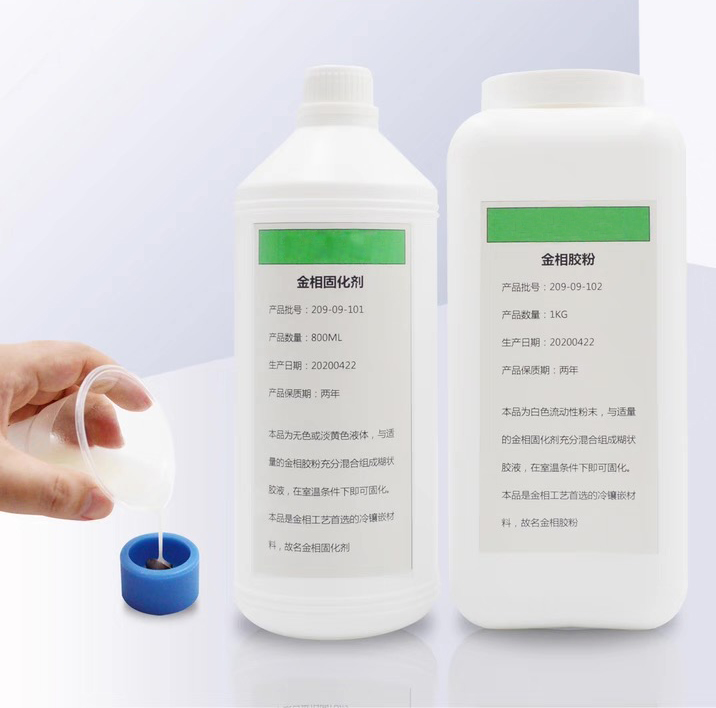
In specialized fields such as materials testing and metallurgy, the compatibility of curing agents with other resins is crucial. For instance, metallographic resin, used to prepare metal samples for microscopic analysis, requires a curing agent that can deliver precise, bubble-free results without compromising the integrity of the sample. Acrylic hardener pairs seamlessly with such specialized resins, ensuring uniform curing that preserves the microstructural details of the metal, while also enhancing the resin’s resistance to solvents and mechanical stress. This compatibility expands the utility of acrylic hardener beyond traditional coatings and adhesives, making it a versatile solution for niche industrial applications.
Another key advantage of acrylic hardener is its ability to improve adhesion across a wide range of substrates, including metals, plastics, wood, and concrete. High-performance coatings and adhesives often struggle to form strong bonds with non-porous or low-surface-energy materials, but acrylic hardener modifies the surface chemistry of the cured product, creating a stronger, more durable bond. This eliminates the need for additional primers or surface treatments, streamlining the application process and reducing production costs. For manufacturers, this means faster processing times, lower material waste, and a more cost-effective solution without sacrificing performance.
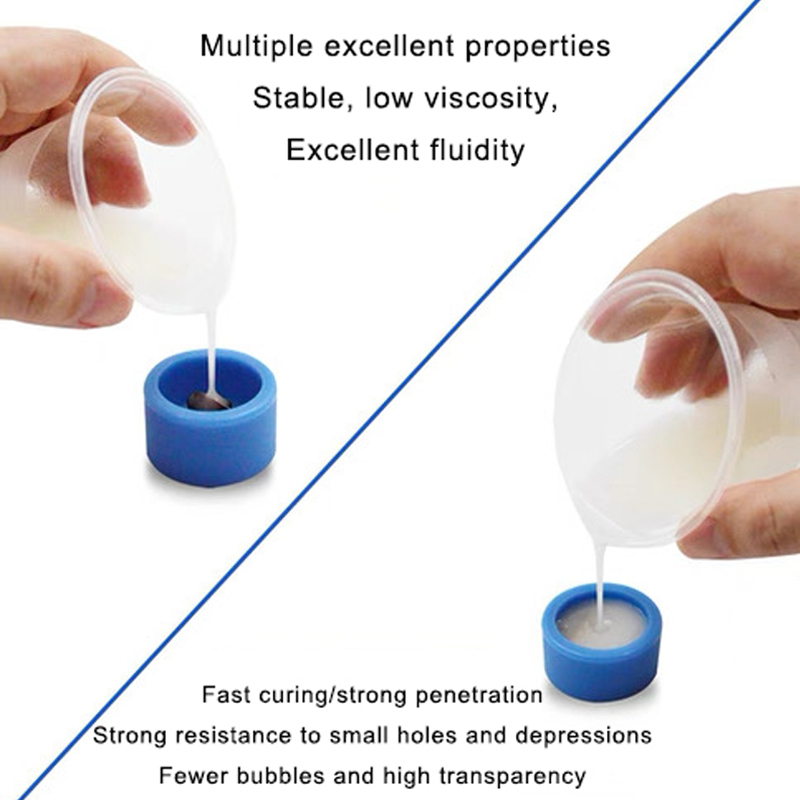
For applications requiring low-temperature curing, acrylic hardener offers a distinct advantage over other curing agents. Cold mounting resin, commonly used in metallography and materials testing, relies on a curing agent that can harden at room temperature without generating excessive heat, which could damage sensitive samples. Acrylic hardener enables efficient curing of cold mounting resin at ambient temperatures, ensuring rapid turnaround times while maintaining the resin’s structural integrity and performance. This makes it an ideal choice for laboratories and manufacturing facilities that need to process samples or components quickly without compromising quality.
Additionally, acrylic hardener contributes to the environmental sustainability of high-performance coating and adhesive systems. Many formulations are low in volatile organic compounds (VOCs), aligning with global environmental regulations and reducing the environmental impact of manufacturing processes. This not only helps manufacturers comply with strict standards but also improves workplace safety by minimizing harmful emissions. The low-VOC nature of acrylic hardener also makes it suitable for use in indoor applications, such as automotive interiors or building coatings, where air quality is a priority.